Three decades of presence in Kraków’s cultural lands
In 1996, following restoration works carried out through the efforts of the Municipality of Kraków, Villa Decius was once again opened to the public. It regained not only its architectural splendour, but also its social and cultural significance.
A period began of systematically building an institution open to people, ideas and cooperation. Music and literature once again filled the Renaissance interiors, alongside debates, exhibitions, artistic events, educational programmes and international residencies.
Today’s anniversary is a celebration of everyone who has helped shape this place over the past three decades: members of the Villa Decius Association, staff of the Villa Decius Institute of Culture, artists, writers, translators, researchers, partners, patrons, volunteers, neighbours and participants in our events.
Humanist Tradition and a Contemporary Mission
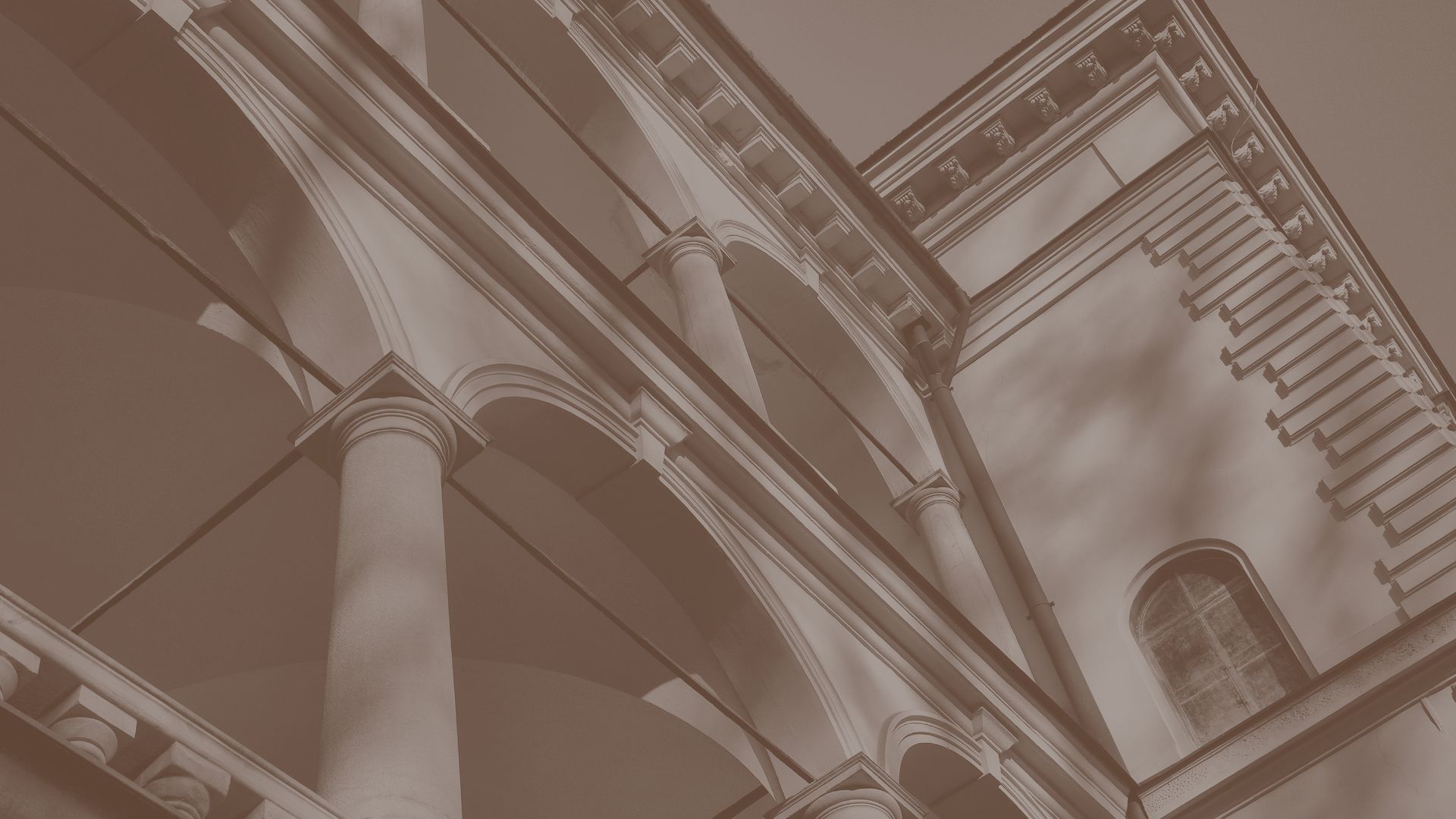
Villa Decius was built in the 1530s on the initiative of Justus Ludwik Decius – secretary to King Sigismund I the Old, diplomat, economist, historian and publisher. Its founder was one of the prominent representatives of European humanism, and he turned his Kraków residence into a meeting place for people of science, culture and public life.
This tradition remains a commitment for us. We do not see Villa Decius’s heritage as a closed story or a historical ornament. We understand it as a source of responsibility for the quality of public debate, creative freedom, human rights, access to culture, and dialogue between societies, religions and cultures.
The mission of Villa Decius can be expressed through three concepts identified by Henryk Woźniakowski, Chairman of the Board of the Villa Decius Association: “exchange, trust and understanding”. These values have shaped the way we develop our programme, build partnerships and respond to the changes taking place in the world for the past thirty years.
One place, three levels of work
We develop the Villa Decius programme simultaneously at the local, national and international levels. These are not separate areas of activity, but mutually complementary perspectives.
Our local experience helps us better understand the needs of residents and build a cultural offer that is accessible, regular and close to everyday life. International cooperation, meanwhile, brings new ideas, experiences and practices to Kraków, strengthening the city’s European character.
In 2025, we implemented 25 programmes and more than 500 events in cooperation with 175 partner institutions. We hosted 25 residents from 13 countries, while 28,000 people took part directly in our events. Our communication activities reached more than 8 million people.
Behind these numbers, however, are above all relationships: between creators and audiences, residents and institutions, Kraków and its international partners.
In the name of human rights and freedom of speech
International activity has been one of the key dimensions of the mission of the Villa Decius Association from the very beginning. We cooperate with cultural institutions, universities, social organisations and creative communities from Europe and around the world.
Residency programmes are of particular importance, providing artists, writers, translators and researchers with working conditions, safety and opportunities for exchanging experiences. As part of the ICORN and Scholars at Risk networks, we support people facing persecution because of their creative work, public activity or academic work.
We run the Visegrad Literary Residencies, Homines Urbani and the Forum of Cultures Dialogue. Arts in Exile brings visibility back to creators who have experienced forced displacement. Triangle for Ukrainian Artists supports Ukrainian artists and cultural professionals affected by the consequences of war.
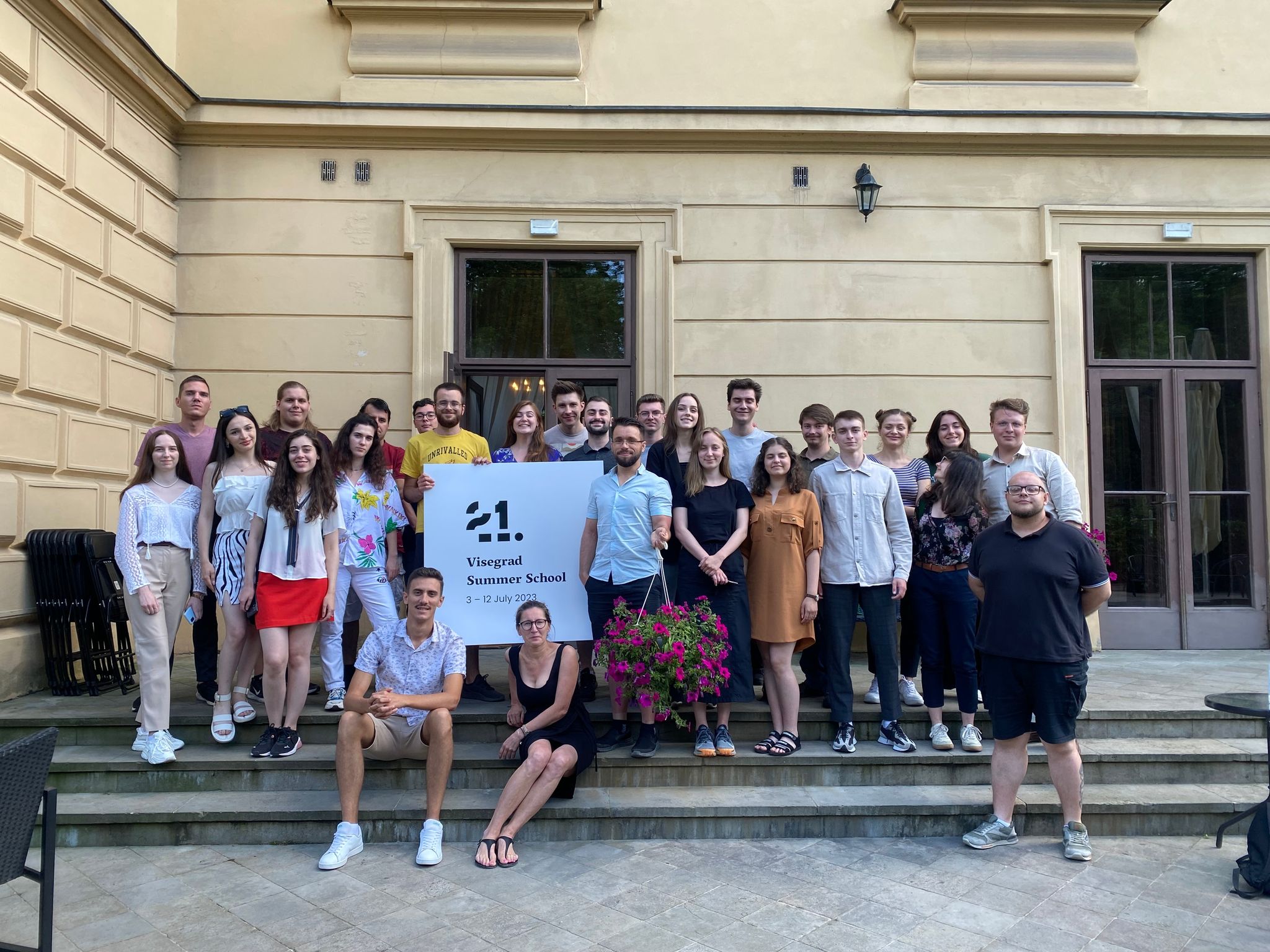
Since 2002, we have organised the Visegrad Summer School, one of the most important platforms for the exchange of knowledge and experience in Central and Eastern Europe. Its community now includes more than 900 alumni and 300 experts.
Villa Decius’s international standing was also confirmed when it hosted the closing session of the 91st Congress of PEN International. The meeting of writers, translators and intellectuals from around the world became an important voice in the debate on freedom of expression and the future of literature.
Awards in the Service of Responsible Culture
Awards recognising people and organisations committed to defending human rights, creative freedom and peaceful coexistence are an important tool in fulfilling our mission.
The Sergio Vieira de Mello Award, presented since 2003, recognises efforts to promote dialogue between societies, religions and cultures. The Visegrad Literary Award supports the international circulation of literature from Central Europe, while the Karl Dedecius Prize highlights the importance of translation in Polish-German cultural exchange.
These awards help promote standards of responsible public culture. They express the belief that cultural institutions should not only describe reality, but also empower those who protect human dignity, freedom of expression and democratic values.
Partnership as the Foundation of Sustainability
Today’s Villa Decius operates within a unique model of public and civic partnership based on cooperation between the Municipality of Kraków, the Villa Decius Association and the Villa Decius Institute of Culture.
The City provides stable institutional and infrastructural frameworks and ensures the continuity of care for the historic complex. The Association contributes three decades of experience, social and expert capital, international relationships and the ability to initiate innovative projects. The Institute translates these resources into a year-round cultural, educational and social programme.
This partnership makes it possible to combine heritage protection with its active accessibility, while maintaining a balance between institutional stability and programme autonomy.
Responsibility for Our Shared Heritage
Villa Decius is a living monument whose preservation requires constant and meticulous care. In 2025, we renovated the terrace and restored the southern and western sections of the façades. Further stages of conservation work lie ahead, as well as preparations for the construction of a lift that will improve accessibility for people with reduced mobility.
Protecting the authenticity of the monument and ensuring access to its spaces are, for us, closely interconnected goals. Heritage retains its full meaning when it remains present in the life of the community and can serve future generations.
An Anniversary of a Shared Achievement
The 30th anniversary of Villa Decius reopening its doors is a time of gratitude and responsibility. We thank all the people, institutions and communities that have helped shape the Villa’s programme over the past decades, supported its development and taken part in our activities.
The anniversary is accompanied by the publication Villa Decius – A Place for Encounters. It is not a traditional report, but a story about the people, ideas and relationships that have shaped this place. It presents the diversity of our activities and the values that guide our work going forward.
Thirty years ago, Villa Decius reopened its doors to the people of Kraków. Today, it remains a shared space for dialogue, culture and responsibility – a place rooted in history, present in the life of the contemporary city and open to the future.
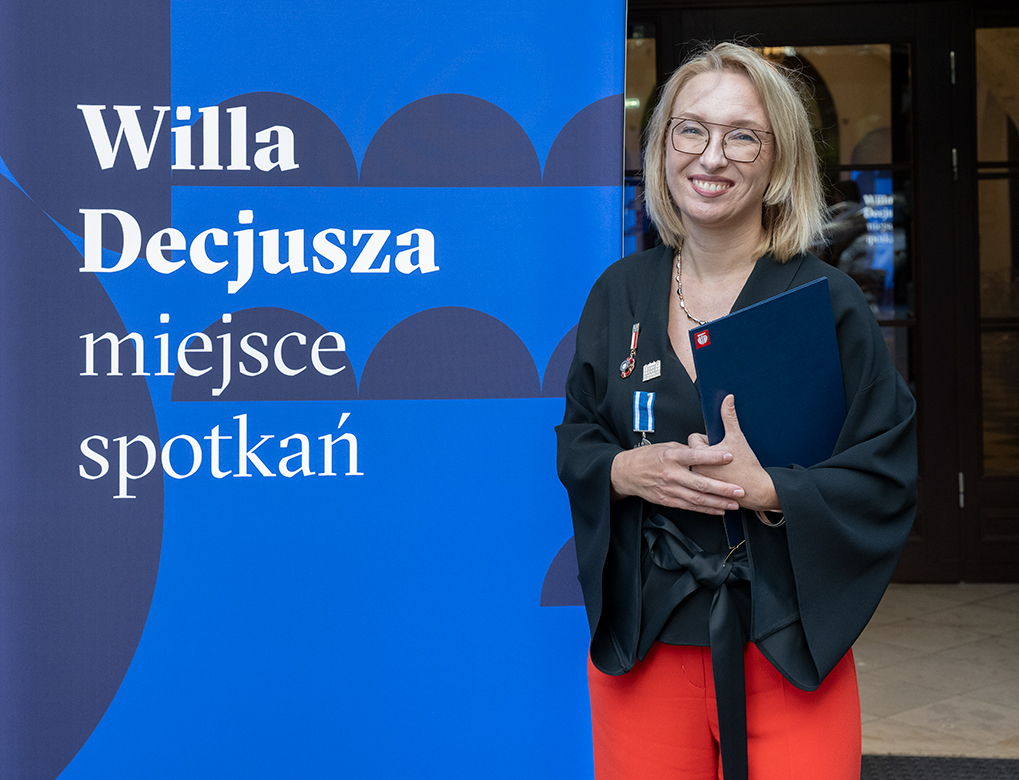
See the photos from the Jubilee Gala here.

Sfinansowano ze środków Fundacji PKO Banku Polskiego w ramach programu Korzenie Jutra.